Guide
The best bed position for hip and shoulder pain
Side-sleeping concentrates your weight on the hip and shoulder. The fix is as much the surface as the angle — here is what to try tonight.
By Stephen V.Published Updated How we pick
For most side-sleepers with hip or shoulder pain, the two levers that matter are the surface you lie on and the pillow support that keeps your spine level — not the angle of the bed. A slight head-and-knee raise can help, and an adjustable base earns its place mainly by making it easier to get up without pushing off a sore shoulder. But if you are lying on your side, the pain is largely a pressure problem, and pressure is a surface question before it is an angle one. So we start there.
Why side-sleeping loads the hip and shoulder
Lie on your side and much of your body weight funnels through two small, bony points: the outside of the shoulder and the bony prominence at the top of the thigh bone, the greater trochanter of the hip. They are not built to carry that load for hours. A surface that is too firm concentrates the weight on those points; a surface that has collapsed lets the hips and shoulders sink unevenly so the spine sags into a curve. Either extreme is what people are describing when they say they wake with an aching hip or a dead arm.
The aim is a surface that gives just enough for the shoulder and hip to press in and spread the load across more skin, while still holding the waist and ribs so the spine stays roughly level. That is a Goldilocks description on purpose, because firmness is personal and no listing publishes a measured figure you could match to yourself.
Back and stomach sleepers
Most of this page assumes you sleep on your side, because that is where hip and shoulder pain concentrates. If you sleep on your back, the pressure on those two joints largely disappears, and a pillow under the knees plus a slight knee raise is usually the whole story — closer to the back pain setup than to anything here. Stomach sleeping is the hardest position for most aching joints and necks, and if you can coax yourself onto your side or back with a body pillow to stop you rolling over, that change alone often helps. None of that is a rule; it is where to start experimenting.
The surface matters as much as the base
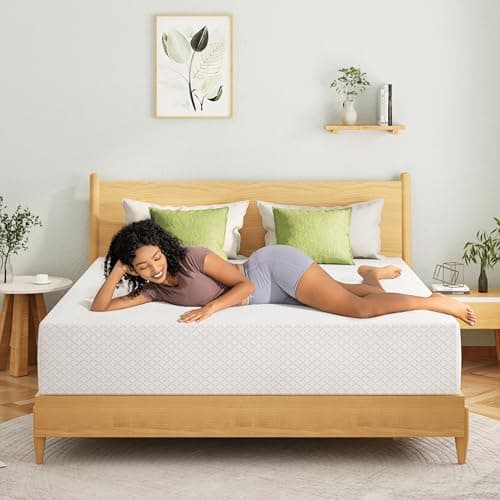
This is the part most adjustable-bed pages skip, because the base is what earns the affiliate link. For hip and shoulder pain on your side, the pressure-relieving surface is at least as important as anything the motor does. A mattress with some give at the top layer lets the shoulder and hip sink in; a rigid one does not, and no angle on a base changes that.
A topper is the cheap way to test a softer surface without replacing the mattress: if a few inches of foam over your current mattress makes the mornings better, you have your answer for a fraction of the price of a new bed. If the mattress has actually bottomed out in the middle, a topper will not save it and a replacement is the honest fix. The mattresses we track are scored on published height and construction, and a topper is on that page for exactly this reason.
One thing a soft surface costs you is edge support and ease of getting up: a mattress you sink into is harder to sit down on and stand up from, which matters more if the same joints hurt. That trade-off is worth weighing rather than ignoring.
What pillow support actually does
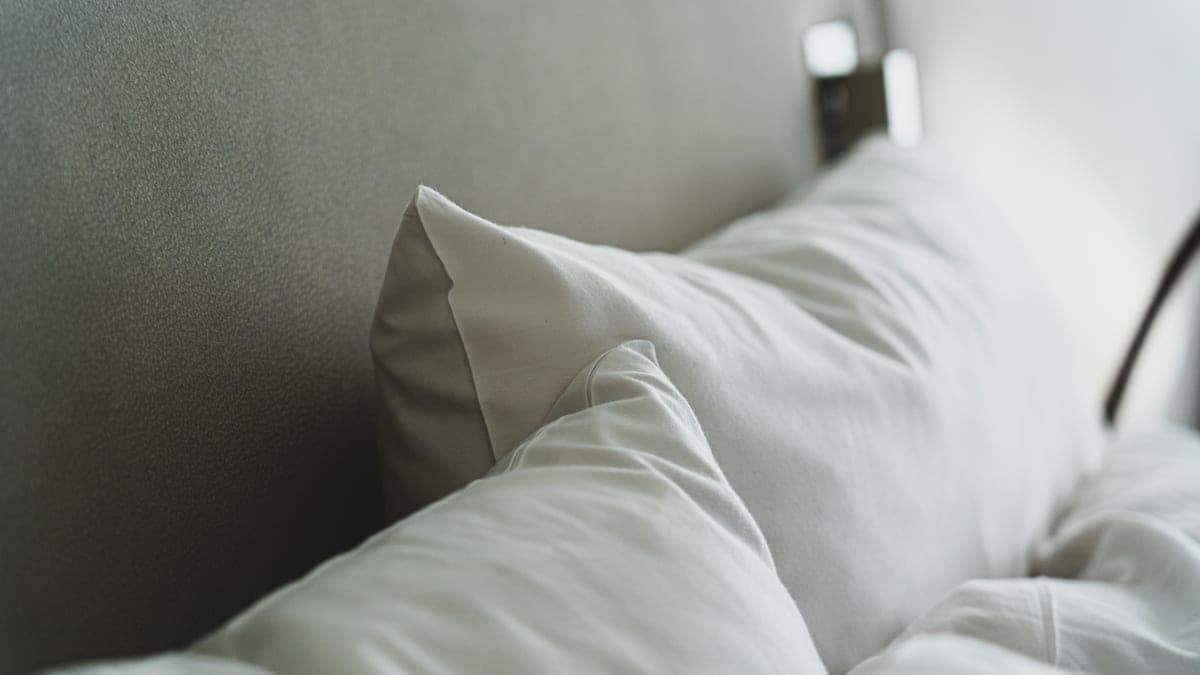
Pillows do more for side-sleeping joint pain than the bed's angle does, and they cost nothing to try tonight.
- A pillow between the knees. It keeps the top leg from dragging the pelvis forward into a twist, which keeps the hip and the lower back in a more neutral line. This is the single most effective free change for hip pain on your side.
- A pillow to hug. Holding a pillow against your chest supports the top arm and stops the upper shoulder rolling forward and inward, which is a common source of shoulder ache.
- A head pillow at the right height. It should fill the gap between your shoulder and your head so the neck stays level, neither propped up nor drooping. Too flat or too tall and the shoulder takes the difference.
Where the adjustable base comes in
A base is a smaller lever here than it is for reflux or swelling, and it is worth being honest about that. The pressure on your hip and shoulder while you sleep on your side is a surface problem, and tilting the whole surface does not lift the weight off those points. Where a base does help is real, though, and it is worth listing plainly.
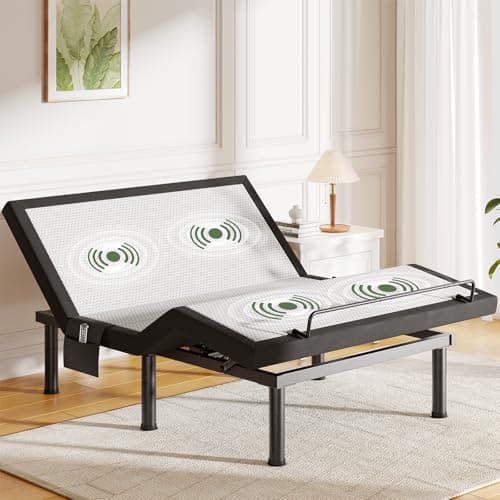
- A slight knee-and-head raise — the zero-gravity shape — lets the lower back settle and can be more comfortable for the hips, especially if you spend part of the night on your back.
- Easier to change position. If lying on one side aches, rolling to your back periodically relieves the shoulder, and a slight incline makes back-sleeping more tolerable for people who find flat uncomfortable.
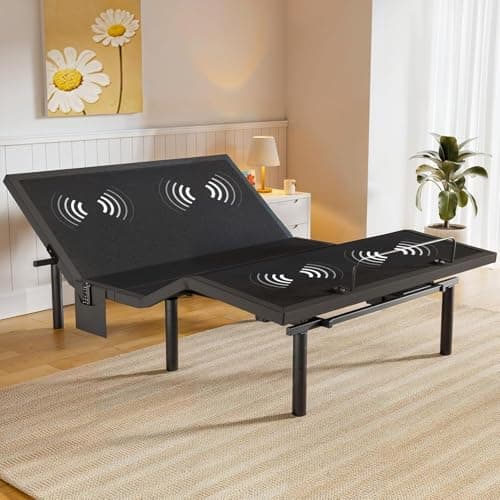
- Getting out of bed. The base's biggest win for painful joints is the two-stage lift: raise the head to near-vertical first so you rise from sitting instead of pushing up off a sore shoulder or hip. The full technique is here, and a grip to pull against takes even more load off the joint.
A setup to try tonight, for free
- Put a firm pillow between your knees and, if you sleep on your side, one to hug against your chest.
- Check your head pillow keeps your neck level — swap it for a thicker or thinner one if your shoulder is taking the strain.
- If you have a base, add a slight knee raise and a slight head raise and see whether time on your back becomes comfortable.
- When you get up, raise the head first if you can, and push up with your legs and a grip rather than off the painful joint.
Sleep like that for a few nights before you buy anything. If the pillows and a night or two on your back make the mornings better, you have learned what changes things for almost nothing. If the surface is clearly the problem, a topper is the next-cheapest test. A new mattress or a base comes after that, not before.
The order to spend in
- Nothing. Pillows between the knees and to hug, and a head pillow at the right height. Most of the available improvement is here.
- A topper, if the surface is too firm and the mattress is otherwise sound. The cheap test of a softer surface.
- A mattress, if yours has genuinely bottomed out or is too rigid to relieve pressure. How to judge yours.
- A base, last, and mainly for getting in and out of bed and for the nights you want to lie back. It is the least direct fix for side-sleeping joint pain, and the most expensive.
Back pain and hip pain often travel together, and the zero-gravity position does similar work for both — our back pain page covers the free test for that, and the arthritis page covers the grip and the height that make getting up easier when joints are stiff. If the hip pain is really pain travelling down the leg from the lower back, the advice changes and a pillow between the knees is no longer the first move — sciatica and your bed covers that case.
Questions people actually ask
What is the best adjustable bed position for hip pain?
A slight knee raise with a slight head raise — the zero-gravity shape — takes some load off the lower back and the hips for many people. But for side-sleepers the surface matters more than the angle: hip pain on your side is largely a pressure problem, and the base cannot fix a surface that concentrates your weight on one bony point.
What position helps shoulder pain when sleeping on your side?
Keeping the neck neutral with a pillow that fills the gap between shoulder and head, and hugging a pillow to your chest so the top shoulder is supported rather than rolling forward. A surface with enough give to let the shoulder sink in slightly relieves the point pressure that wakes people.
Does an adjustable bed help hip and shoulder pain?
Indirectly. A slight knee-and-head raise can be more comfortable, and raising the head to get up spares a painful shoulder from being pushed off. But the pressure on the hip and shoulder while you sleep on your side is a surface question, so a topper or the right mattress often does more than the base.
Is a soft or firm mattress better for hip and shoulder pain?
There is no universal answer and firmness labels are not standardized between makers. The principle is pressure relief: enough give for the shoulder and hip to sink in so your weight spreads, without so much sag that your spine bends. A topper is the cheapest way to test a softer surface before replacing anything.
Should I sleep on my back instead?
Some people with hip and shoulder pain are more comfortable on their back with a pillow under the knees, because it takes the point pressure off the joints entirely. It is worth testing for a few nights. If side-sleeping is the only way you sleep, focus on the surface and pillow support instead.
Read next
Guide
Sleep Positions
Every position, what it changes, and how to test each one tonight with pillows before you spend anything.
Comparison
Back Pain
There is a free test that tells you whether a base would help. Run it tonight before spending anything.
Our top pick — DOMIA T600 Queen Adjustable Bed Frame
$399.99 · Check priceAs of September 21, 2026. #ad How we’re funded
Comparison
Best Mattresses for Seniors
Scored on published height, flex and certification — not on how they feel, because we have not slept on them.
Our top pick — EGOHOME 12 Inch Queen Memory Foam Mattress
$249.99 · Check priceAs of September 21, 2026. #ad How we’re funded
Comparison
Arthritis
The remote buttons and the bed's height matter more here than anything about the mattress. Ranked accordingly.
Our top pick — Amada 01B-Q1 Queen Adjustable Bed Frame
Guide
Post-Surgery Recovery
Elevation can make recovery more comfortable and getting up safer. What a bed helps with, and what stays with your surgical team.

Nothing here is medical advice. Prices are pulled live and stamped with the date they were checked; scores are our published spec rubric, not a test result. How we pick · How we make money · Corrections