Guide
Adjustable beds for post-surgery recovery
Elevation can make recovery more comfortable and getting up safer. What a bed helps with, and what stays with your surgical team.
By Stephen V.Published Updated How we pick
Surgery changes what your body can do for a while, and one of the first things it changes is how you get in and out of bed. A hip or knee replacement, back surgery, a cardiac procedure, or major abdominal work can each leave you, for a few weeks, unable to do the ordinary flat-to-standing movement without pain or risk. An adjustable bed — or a much cheaper stand-in — earns its place in recovery by breaking that movement into smaller, safer pieces and by holding a comfortable position without a tower of pillows sliding away.
None of that treats the surgery or speeds the healing. What it does is mechanical: it makes the days you are least mobile easier and safer to get through. That is worth doing well, and it is worth doing cheaply where a cheap option is enough, because most post-surgery needs are temporary.
What elevation actually helps with after surgery
An adjustable base does three mechanical things that recovery tends to need, and it is worth separating them because you may only need one.
Getting in and out of bed
The hardest movement after many operations is going from lying flat to sitting up, which needs abdominal strength and a twist — exactly what is sore or off-limits after back and abdominal surgery. Raising the head of the bed to near-vertical before you try to move does the sitting-up for you, so you rise from an almost-seated start rather than curling up off your back. From there you turn your legs off the side and stand. The full two-stage technique is on our sleep positions page, and it works on any bed with a head raise, including the cheapest.
Easing swelling
Swelling around a surgical site or in the legs is common after lower-limb and some abdominal operations. Raising the feet so they sit above the level of the heart uses gravity to help fluid drain, which for many people is more comfortable. A foot-lift base holds that position all night where pillows compress and slide away within an hour — we cover leg elevation in detail on the swelling and circulation page. Whether elevation is right for your particular surgery is a question for your team, not a default.
Breathing more comfortably
After chest, cardiac or major abdominal surgery, lying dead flat can feel tight and make breathing harder, and many people are more comfortable propped up. A raised upper body, hinged from the hips rather than folded at the neck, opens the chest a little and can make the first nights easier. It is comfort positioning, not a respiratory treatment, and if you have been given breathing exercises or equipment those come first.
Follow your surgical team's precautions first
Some operations come with specific movement restrictions, and a bed that moves is only helpful if it works with them rather than against them. Hip replacement patients are often told not to bend the hip past ninety degrees, not to cross the legs, and not to rotate the operated leg inward — a deep knee-and-head raise can push a hip past that line, so a gentler head-only raise is usually the safer setting. Back surgery patients may be told to log-roll rather than twist, and to avoid bending. Weight-bearing limits after leg surgery change how you should stand up. None of these are things a website can judge for you.
- Ask what angle is safe. If you have hip precautions, check whether raising the knees is allowed before you use a zero-gravity preset.
- Ask how to transfer. Your physiotherapist will show you the safe way to get in and out; the bed should make that easier, not replace it.
- Ask about elevation. Whether to raise the feet, and how high, depends on the operation and on your circulation — confirm it rather than assuming.
Temporary need: rent, or fix it cheaply
Most post-surgery needs last weeks, not years, and that changes the arithmetic completely. Buying a motorized base for a six-week recovery is rarely the sensible move. There are three cheaper routes worth weighing before you spend on furniture you will not need by the time you are back on your feet.
- A wedge pillow. For a raised upper body while you recover from chest, cardiac or reflux-adjacent surgery, a wedge costs a fraction of a base, stores in a closet afterwards, and is often the whole answer. When a wedge is enough.
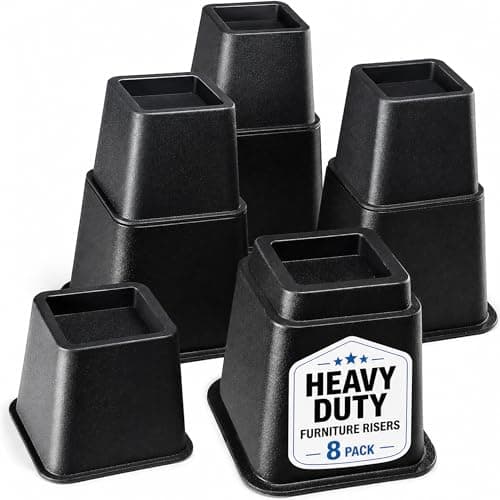
- Bed risers, or a different bed. If the problem is that your bed is too low to stand from safely with a sore hip or knee, the fix is height, not motorized angle — and a set of risers is a few dollars. How to work out your target height.
- Renting. For a genuine need to change position that a wedge cannot meet, renting a base or a hospital bed for the recovery period can cost far less than buying. We compare renting and buying, including when a short-term need makes renting the obvious call.
Add a handhold for safe transfers
Whatever you sleep on, the single cheapest safety improvement during recovery is something solid to pull against when you get up. After surgery your legs, your core or your arms may be doing less than usual, and a fixed grip lets you control the speed of sitting down and standing up instead of dropping the last few inches onto a fresh incision or a new joint. A bedside assist handle that anchors under the mattress, or a rail, gives you that. The assist handles we compare are scored on grip and stability; bed rails are the other option where a longer support helps.
By type of surgery, roughly
| Surgery | What often helps | Watch for |
|---|---|---|
| Hip replacement | A gentle head raise to sit up; a higher, firmer edge to stand from | Hip precautions — a deep knee raise can break the ninety-degree rule |
| Knee replacement | Foot elevation for swelling; a head raise to get up | Whether the knee should be kept straight or supported — ask |
| Back surgery | A head raise to avoid the flat-to-sitting twist; log-rolling to turn | No bending or twisting; confirm before using any knee raise |
| Cardiac or chest | A raised upper body to breathe more comfortably | Sternal precautions — do not push up with your arms if told not to |
| Abdominal | A slight head-and-knee raise to take tension off the incision | Anything that strains the core; rise using the bed, not your stomach |
The order to spend in
- Nothing. A pillow behind the shoulders and one under the knees, and the two-stage way of getting up. Test whether position helps at all before buying.
- A grip. A bedside handle or rail is the cheapest thing that makes transfers safer, and it stays useful long after you have healed.
- A wedge or risers. If elevation or height is the issue, these solve it for a few dollars and store away afterwards.
- A rented base or bed, if the need is real but temporary; a bought base, only if the position turns out to be something you want to keep for good.
Recovery is the clearest case on this whole site for trying the cheap thing first, because the need usually ends. If elevation and a grip get you through the weeks after surgery and you never think about them again, that is the ideal outcome — not a motorized bed you bought in a hard fortnight and use flat forever after.
Two operations get their own page here, because both turn the bed into a daily obstacle for a few months and both have published guidance behind the height decision: bed height after a hip replacement and bed height after a knee replacement. The precautions differ between the two more than most people expect, so read the one that matches your surgery rather than assuming they are interchangeable.
Questions people actually ask
Does an adjustable bed help after surgery?
It can, mechanically. Raising the head turns the hard flat-to-sitting movement into two easier ones, raising the feet can ease swelling, and a raised upper body is more comfortable for breathing after chest or abdominal surgery. It does not speed healing, and your surgical team's precautions come first.
Should I rent or buy a bed for recovery?
Most post-surgery needs last weeks, not years, which usually favors the cheap or temporary option — a wedge pillow, a set of risers, or renting a base for the recovery period rather than buying motorized furniture you will not need afterwards. Renting versus buying.
Is a wedge pillow enough after surgery?
For a raised upper body while you recover from chest, cardiac or abdominal surgery, often yes. A wedge costs a fraction of a base, stores away afterwards, and answers whether elevation helps within a few nights. When a wedge is enough.
How do I get out of bed safely after an operation?
Follow the technique your physiotherapist showed you, use a fixed grip to control the movement rather than dropping onto a fresh incision, and raise the head first if you can so you rise from sitting. If you feel unsteady, ask for a physiotherapy assessment before relying on any setup.
Read next
Guide
Hip and Shoulder Pain
Side-sleeping concentrates your weight on the hip and shoulder. The fix is as much the surface as the angle — here is what to try tonight.
Guide
Swelling and Circulation
Above the heart is the phrase everyone uses. Here is what that means in a bed, and why pillows stop working after an hour.
Comparison
Back Pain
There is a free test that tells you whether a base would help. Run it tonight before spending anything.
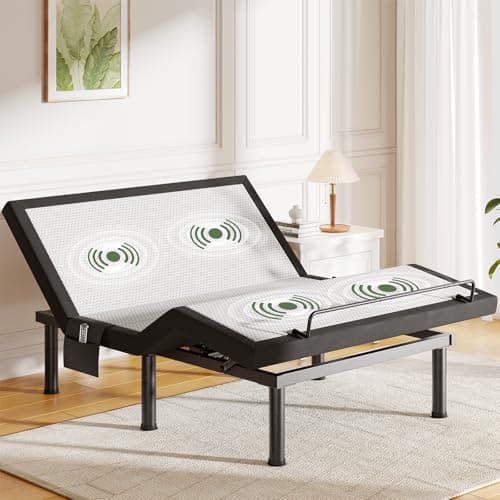
Our top pick — DOMIA T600 Queen Adjustable Bed Frame
$399.99 · Check priceAs of September 22, 2026. #ad How we’re funded
Head to head
Rent vs Buy
Rental suits a short or uncertain need. Buying suits a long one. Medicare's capped rental changes the math in a way worth knowing.
Gift guide
Gifts After Hip or Knee Surgery
Recovery is a few months of temporary problems: a bed at the wrong height, nothing to push up on, sleeping propped. Five gifts that solve them, none of which needs to stay.
Our top pick — Home It Adjustable Bed Risers, 3/5/8 in


Nothing here is medical advice. Prices are pulled live and stamped with the date they were checked; scores are our published spec rubric, not a test result. How we pick · How we make money · Corrections