Comparison
The best pressure relief mattress toppers
Nearly every alternating pressure pad sold is a hospital-bed width. Five compared on published surface size, pump decibels and how often the pressure actually moves.
By Stephen V.Published How we pick
We earn a commission if you buy through the links on this page, at no extra cost to you. It does not change what we recommend, and we have not tested these products — here is what we do instead.
An alternating pressure mattress pad is an air mattress overlay with a pump. Rows of cells inflate and deflate in turn, so the part of the body carrying weight keeps changing without anybody having to roll the person over. It is the product people are sent looking for when a relative stops being able to shift their own weight in bed, and it is sold under at least four names — pressure relief topper, air mattress for bed sores, alternating pressure pad, hospital bed topper — which is most of why it is hard to compare.
Buy it on width before anything else. Four of the five pads below publish a surface 35 or 36 inches wide, because this category is built around hospital beds. A standard queen mattress is 60 inches wide and a king is 76 (Better Sleep Council). Put a 35-inch pad on a queen and you have a strip down the middle, with the hips and shoulders of anybody who sleeps off-center resting on the mattress instead — which is exactly where the load you are trying to move ends up concentrated.
| # | Pick | Key spec | Score | Price |
|---|---|---|---|---|
| Rank1 | 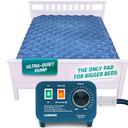 Lunderg Queen Alternating Air Pressure Mattress Pad, 53" x 77" Best overall for a home bed | Key spec53 x 77 inSurface | Score7.5/10 | |
| Rank2 | 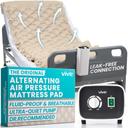 Vive Alternating Air Pressure Mattress Pad, 36" x 78" Quietest pump published | Key spec36 x 78 inSurface | Score8.3/10 | |
| Rank3 | 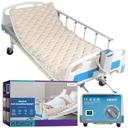 Kekoy Alternating Air Pressure Mattress Pad, 75" x 35" Best budget, best documented pump | Key spec75 x 35 inSurface | Score7.8/10 | |
| Rank4 | 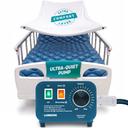 Lunderg Alternating Air Pressure Mattress Pad with Foam Layer, 35" x 75" Best if the cells feel wrong | Key spec35 x 75 inSurface | Score6.5/10 | |
| Rank5 | 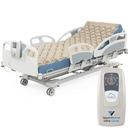 Vaunn Medical Cloud Air Alternating Pressure Mattress Topper, 36" x 78" Publishes the least · we would skip this one | Key spec36 x 78 inSurface | Score6.0/10 |
Prices checked November 24, 2026. Scores are our published spec rubric, not a test result — here is exactly how they are calculated.
These five are every kind of alternating pad the catalog carries at this price: plain cell pads, one with a foam comfort layer snapped over the top, and one in a queen width. We have not slept on any of them and do not claim to have. What we have done is read every specification each listing publishes, record the blanks rather than fill them, and score them against bands we publish in full. Prices are checked live and we earn a commission if you buy through them — how that works.
Measure the mattress first, then the outlet
- The width of your mattress. Not the bed frame, not the base — the mattress. A tape measure across the middle takes ten seconds and rules out four of the five pads here for anybody on a queen or a king. Twin is 38 inches, full 54, queen 60, king 76.
- The distance to the nearest outlet. The pump is mains powered and runs continuously; if it is unplugged the cells deflate. Only one of these five publishes a cord length, and the figure is 67 inches — a little over five and a half feet. An extension lead across a bedroom floor is a trip hazard in a house that already has a fall risk in it.
- The height you are adding. An inflated pad sits about three inches above the mattress. That raises the surface you sit on to get out, it eats three inches of a fitted sheet's pocket depth, and on an adjustable base it stacks on top of everything else already there.
| Your mattress | Width | What a 35 in pad covers | Pad that fits |
|---|---|---|---|
| Twin | 38 in | Nearly all of it | Any of the four twin pads |
| Full | 54 in | Two thirds | The queen pad, or accept the strip |
| Queen | 60 in | Just over half | The 53 in Lunderg queen |
| King | 76 in | Under half | Nothing here is wide enough |
That last row is an honest blank rather than a shortlist failure. We do not currently track a pad wide enough for a king, and we are not going to name one we have not read. If the bed is a king and both halves are in use, the sensible shape is a queen-width pad on the side of the person who needs it, which is also what a split king lets you do without compromising the other half.
How we scored them
Four criteria, averaged with no weighting, rounded to one decimal. An unpublished specification scores five — neutral — and the write-up says so rather than guessing. A specification that is published and unhelpful can score below five, because that is information rather than silence. The full rubric.
- Fit disclosure. The published surface size, and whether the inflated thickness is published with it. This is the criterion that decides whether the product suits the bed you own, and it is the one the category is worst at explaining in its photographs.
- Pump disclosure. The decibel figure, the cycle time, the number of pressure levels, and whether a static mode exists. The pump is the part that runs all night a few feet from a sleeping head, and the cycle time is the only published number that describes what the pad is actually doing.
- Capacity and build. The published weight limit, the air-cell count, and whether the surface material is named rather than called medical grade.
- Care and ownership. Warranty, repair kit, anchoring, and anything published about keeping the thing working. These are consumable air bladders under a person who may be on them for months.
The five pads side by side
| Pad | Surface | Pump noise | Cycle | Capacity |
|---|---|---|---|---|
| Lunderg queen | 53 x 77 in | 23 dBA | Not published | 320 lb |
| Vive | 36 x 78 in | 22 dBA | About 6 min | 300 lb |
| Kekoy | 75 x 35 in | Below 28 dBA | 10-12 min | 300 lb |
| Lunderg foam layer | 35 x 75 in | 23 dBA | Not published | 300 lb |
| Vaunn | 36 x 78 in | Not published | Not published | 300 lb |
Read that table across and two things fall out. The capacity column is a category convention rather than an engineering result: four of the five publish exactly 300 pounds, which is the same pattern we found on adjustable bases, where fourteen of the nineteen we track publish exactly 750. A number every competitor repeats is a number nobody is testing against. The queen pad's 320 is the only figure in the set that was arrived at independently, and it is only twenty pounds away.
The cycle column is the interesting one, and it is half empty. Two pads publish how long a full pressure cycle takes — six minutes on the Vive, ten to twelve on the Kekoy — and that is a factor of two between them. It is the single most useful number on this page after the width, because it describes what the product does: how often the weight actually moves off any given patch of skin. Three listings do not mention it, and sell the same mechanism.
The five pressure relief toppers in full
1 · Best overall for a home bed
Lunderg Queen Alternating Air Pressure Mattress Pad, 53" x 77"
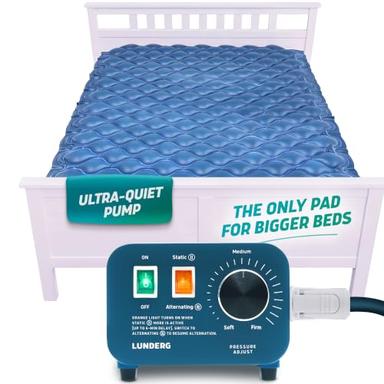
The only pad here that publishes a width wide enough for the bed most of this site's readers own, and the only one that publishes a capacity above the category's 300 lb convention.
- Surface
- 53 x 77 in
- Our spec score
- 7.5/10
- Best for
- A queen or king mattress
What works
- Fifty-three inches wide. Every other pad on this page is 35 or 36, which on a queen leaves the shoulders and hips of anybody who does not sleep dead center off the pad entirely
- A published 320 lb capacity, where the other four all publish exactly 300 — the only figure in this category that is not the convention
- 23 dBA published for the pump, which is a real number on a product that runs beside your head all night
- A static mode: the cells can be held fully inflated, so the bed stops moving when somebody wants to rest rather than be repositioned
What doesn’t
- No air-cell count published, where three of the other four publish 130. On a pad this wide the cell count is the thing that decides how fine the pressure map is, and it is the one number missing
- No cycle time published, so there is nothing to compare against the Vive's six minutes or the Kekoy's ten to twelve
- The most expensive pad here, and the width is most of the reason
- No warranty term published. Only the Vive publishes one
Published specifications
| Surface size | 53 x 77 inches (title and listing size field) |
|---|---|
| Weight capacity | 320 lb |
| Pump noise | 23 dBA |
| Static mode | Yes — all cells hold full inflation on demand |
| Air cells | Not published |
| Cycle time | Not published |
| Pressure control | A soft-to-firm knob; no numbered levels published |
| Surface material | Waterproof; the material itself is not named |
| Inflation time | About 20 minutes, published as three cycles |
| Warranty | Not published |
Read from the product listing on 2026-11-22. Blanks are specifications the manufacturer does not publish, not figures we could not be bothered to find.
How the score was reached
| Fit disclosureSurface size published in the title and the size field, and it is the only width here that covers a queen rather than a hospital bed. | 10 |
|---|---|
| Pump disclosureA 23 dBA figure and a static mode published; no cycle time and no numbered pressure levels. | 7 |
| Capacity and build320 lb published, above the 300 lb every rival publishes; the surface material is not named. | 8 |
| Care and ownershipWaterproof and an inflation time published; no warranty, no cell count, no repair kit. The neutral score. | 5 |
| Mean, rounded to one decimal | 7.5 |
2 · Quietest pump published
Vive Alternating Air Pressure Mattress Pad, 36" x 78"
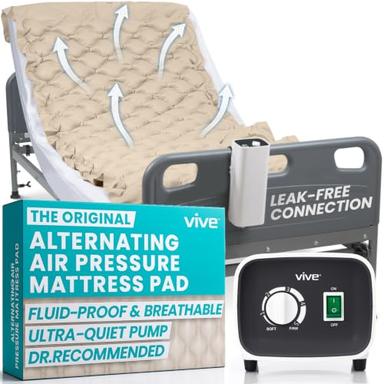
The most completely specified pad in the category: 130 cells, a six-minute cycle, 22 dBA and the only published warranty term on this page — on a 36-inch hospital-bed surface.
- Surface
- 36 x 78 in
- Our spec score
- 8.3/10
- Best for
- A hospital bed or a twin
As of November 24, 2026. #ad How we’re funded
What works
- The only entry here that publishes a warranty term at all — one year
- Twenty-two decibels, the lowest published figure in the set, on the component that decides whether anybody sleeps
- A published six-minute cycle. That is the number that tells you how often the pressure actually moves, and only one other pad here publishes it
- Publishes its anchoring: flaps top and bottom that tuck between mattress and frame, which is more than three of the five say about staying put
- Names the surface material rather than calling it medical grade and stopping
What doesn’t
- Thirty-six inches wide. On a queen that is a strip down the middle, and this page exists because that is the trap in this category
- No static mode. The Lunderg pads can hold every cell inflated for a nap or a meal; this one alternates whenever it is running
- The pressure levels are described as multiple and never counted, where the Kekoy publishes five
- Vinyl is the cheapest of the surfaces named here and the one most likely to feel hot under a sheet
Published specifications
| Surface size | 36 x 78 x 3 inches inflated (title and feature bullets) |
|---|---|
| Weight capacity | 300 lb |
| Pump noise | 22 dBA — the lowest figure published here |
| Static mode | Not published |
| Air cells | 130, each heat-sealed |
| Cycle time | About six minutes per pressure cycle |
| Pressure control | Multiple pressure levels; the number of levels is not published |
| Surface material | Premium vinyl, waterproof |
| Anchoring | Top and bottom flaps that tuck between mattress and frame |
| Warranty | 1 year, published |
Read from the product listing on 2026-11-22. Blanks are specifications the manufacturer does not publish, not figures we could not be bothered to find.
How the score was reached
| Fit disclosureSurface size published to three dimensions including inflated thickness, but 36 inches is a hospital-bed width. | 7 |
|---|---|
| Pump disclosure22 dBA and a six-minute cycle both published; no static mode and the pressure levels are not counted. | 9 |
| Capacity and build300 lb published, the surface material named, the cells counted and the sealing method stated. | 8 |
| Care and ownershipA one-year warranty published — the only one here — plus published anchoring flaps. | 9 |
| Mean, rounded to one decimal | 8.3 |
3 · Best budget, best documented pump
Kekoy Alternating Air Pressure Mattress Pad, 75" x 35"
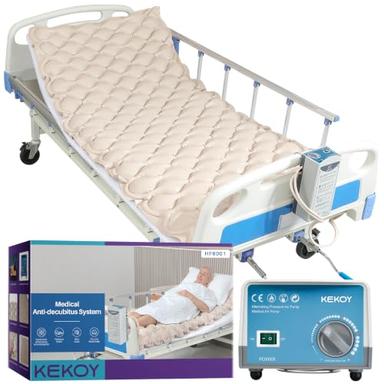
The cheapest pad here and the one that publishes the most about how it actually runs — five numbered pressure levels, a stated cycle length, a cord length and a repair kit in the box.
- Surface
- 75 x 35 in
- Our spec score
- 7.8/10
- Best for
- The best-documented pump for the money
What works
- Five numbered pressure levels, where every rival here publishes a knob and a direction. If the person on the pad is light, that is the difference between a usable setting and guessing
- Publishes a cycle length, a power-cord length and a hose length — the three measurements that decide whether it reaches the outlet and whether the cycle suits the sleeper
- A repair patch kit in the box. Nothing else here acknowledges in print that an air cell can be punctured
- The lowest price on this page, and the specification sheet is not the thin one
- States its own scope honestly: the bullets say stage 0 to 1 prevention support and explicitly not treatment, which is a rarer thing to find in this category than it should be
What doesn’t
- Thirty-five inches wide, so it has the same queen problem as the rest of the hospital-bed pads here
- Below 28 dBA is the loosest noise claim in the set and the highest ceiling. The Vive publishes 22 and the Lundergs 23, as figures rather than as a bound
- No static mode, so there is no way to stop the surface moving for an hour
- No warranty term published
Published specifications
| Surface size | 75 x 35 inches when fully inflated (feature bullets) |
|---|---|
| Weight capacity | 300 lb |
| Pump noise | Below 28 dBA |
| Static mode | Not published |
| Air cells | 130 bubble cells |
| Cycle time | About every 10 to 12 minutes |
| Pressure control | Five numbered levels, 1 to 5 |
| Surface material | Medical-grade PVC, high-temperature sealed, waterproof |
| In the box | Pad, pump, air hoses, repair patch kit and manual; 67 in power cord, 47 in hose |
| Warranty | Not published |
Read from the product listing on 2026-11-22. Blanks are specifications the manufacturer does not publish, not figures we could not be bothered to find.
How the score was reached
| Fit disclosureSurface size published in the bullets, but 35 inches wide and no inflated thickness given. | 6 |
|---|---|
| Pump disclosureCycle time, five numbered pressure levels, cord and hose lengths all published; the noise figure is a ceiling rather than a number and there is no static mode. | 9 |
| Capacity and build300 lb, 130 cells, the surface material named with its sealing method, and the box contents itemised. | 9 |
| Care and ownershipA repair patch kit published and a 48-hour ventilation instruction; no warranty term. | 7 |
| Mean, rounded to one decimal | 7.8 |
4 · Best if the cells feel wrong
Lunderg Alternating Air Pressure Mattress Pad with Foam Layer, 35" x 75"
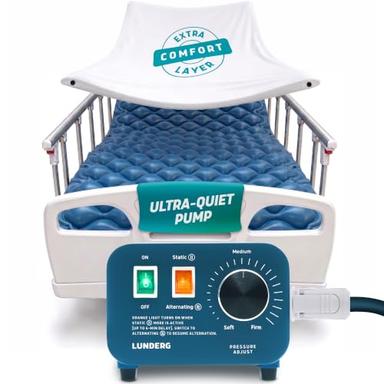
The only pad here that ships something between the air cells and the person: a snap-on foam comfort layer, aimed squarely at the complaint that these pads are unpleasant to lie on.
- Surface
- 35 x 75 in
- Our spec score
- 6.5/10
- Best for
- Somebody who refuses to sleep on cells
What works
- A foam layer that snaps over the cells, which is the only published answer on this page to the reason these pads get unplugged and pushed into a cupboard
- Static mode plus a published 130-cell count — the only entry that publishes both
- 23 dBA published for the pump
- The listing is unusually direct about what it is fixing, naming the comfort complaint in its own first bullet rather than burying it
What doesn’t
- Thirty-five inches. The narrowest surface on this page, and the same hospital-bed width the rest of the category defaults to
- The foam layer's thickness is never published, so there is no way to tell how much of the alternating action it damps before it reaches the skin — which is the obvious question about the whole idea
- No cycle time and no warranty published
- It costs more than every pad here except the queen, and the extra buys a foam sheet rather than any more surface
Published specifications
| Surface size | 35 x 75 inches (listing size field) |
|---|---|
| Weight capacity | 300 lb |
| Pump noise | 23 dBA |
| Static mode | Yes — all 130 cells hold full inflation on demand |
| Air cells | 130 |
| Cycle time | Not published |
| Comfort layer | A snap-on foam layer over the cells; thickness not published |
| Pressure control | A soft-to-firm knob; no numbered levels published |
| Surface material | Waterproof; the material itself is not named |
| Warranty | Not published |
Read from the product listing on 2026-11-22. Blanks are specifications the manufacturer does not publish, not figures we could not be bothered to find.
How the score was reached
| Fit disclosureSurface size published, but 35 inches is the narrowest here and no inflated thickness is given. | 6 |
|---|---|
| Pump disclosure23 dBA, a static mode and a 130-cell count all published; no cycle time and no numbered levels. | 8 |
| Capacity and build300 lb published and a comfort layer published; its thickness and the surface material are not. | 7 |
| Care and ownershipAn inflation procedure published and nothing else — no warranty, no repair kit. The neutral score. | 5 |
| Mean, rounded to one decimal | 6.5 |
5 · Publishes the least · we would skip this one
Vaunn Medical Cloud Air Alternating Pressure Mattress Topper, 36" x 78"
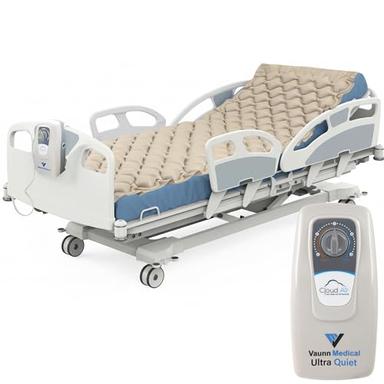
We would skip this one. It is the only pad on the page that publishes no decibel figure, no cycle time, no pressure-level count and no warranty, and it is not the cheapest.
- Surface
- 36 x 78 in
- Our spec score
- 6.0/10
- Best for
- Nothing we would recommend it for
What works
- Publishes its inflated size to three dimensions, including the 3-inch height, which decides whether your sheets still reach
- A 130-cell count and heat-sealed construction published, the same as the Vive
- Names the surface material and states the plug standard, which sounds trivial until a 220 V unit arrives
What doesn’t
- No decibel figure anywhere. Every other pad on this page publishes one, and the pump is the part that runs all night next to somebody's head — "high-efficiency, low-noise" is the seller's adjective, not a measurement
- No cycle time published, so there is nothing to compare against the Vive's six minutes
- The pressure settings are called adjustable and never counted
- No warranty, no repair kit, no static mode
- It is not even the cheap option. The Kekoy costs less and publishes a cycle time, five numbered levels, cord and hose lengths and a repair kit
Published specifications
| Surface size | 36 x 78 x 3 inches when fully inflated (title and feature bullets) |
|---|---|
| Weight capacity | 300 lb |
| Pump noise | Not published |
| Static mode | Not published |
| Air cells | 130, heat-sealed |
| Cycle time | Not published |
| Pressure control | Adjustable settings; neither the count nor the range is published |
| Surface material | Medical-grade vinyl, waterproof |
| Anchoring | Top and bottom flaps to secure to the bed |
| Warranty | Not published |
Read from the product listing on 2026-11-22. Blanks are specifications the manufacturer does not publish, not figures we could not be bothered to find.
How the score was reached
| Fit disclosureSurface size published to three dimensions including inflated thickness; 36 inches is a hospital-bed width. | 7 |
|---|---|
| Pump disclosureNot a blank but a published non-answer: the pump is called low-noise with no figure, the settings adjustable with no count, and no cycle time at all. Below the neutral five because the whole set publishes better. | 4 |
| Capacity and build300 lb, 130 heat-sealed cells, the vinyl named and the 110 V plug standard stated. | 8 |
| Care and ownershipAnchoring flaps published and nothing else — no warranty, no repair kit. The neutral score. | 5 |
| Mean, rounded to one decimal | 6.0 |
Every one of these costs a fraction of the mattress it lies on, which is worth saying out loud because the price is not the decision here. If two of them fit your bed, the tie-breakers we would use are the published cycle time first, then the decibel figure, then whether there is a static mode — because the first describes what the pad does, the second decides whether anyone sleeps through it, and the third is the difference between a bed that is always moving and one that can be told to stop for an hour.
What none of these publish
The blanks are as informative as the figures, and they are much the same blanks right across this category:
- Any clinical evidence. Two listings say doctor or therapist approved and name no doctor, no therapist and no study. One says dr recommended. We record that those words appear and we score none of them, because an unnamed endorsement is a marketing line, not evidence. MedlinePlus is the source we link for what pressure sore prevention actually involves.
- A pressure figure in any unit. Not one of the five publishes the pressure the cells inflate to, in mmHg or anything else, which means the soft-to-firm knob on four of them is a direction rather than a measurement. The Kekoy's five numbered levels are the closest thing in the set to a scale, and they are still just numbers one to five.
- A replacement cell or spare part. Only the Kekoy publishes a repair patch kit. These are heat-sealed air bladders under a person's body weight for months at a time, and four of the five listings do not acknowledge in print that one can fail.
- A warranty term. Only the Vive publishes one, and it is a year. On a powered medical-adjacent product running continuously, that is a striking silence from the other four.
- Anything at all about an adjustable base. Not one listing mentions a folding deck in either direction, which is exactly the silence we documented across the waterproof protectors. The hose is the part we would watch.
None of that makes these bad products. It means the published record in this category is thin, and a page that filled in the missing rows would be inventing them. Where a listing is silent, our specification tables say Not published and the criterion scores a neutral five.
A pressure pad is not a mattress topper
Search for a pressure relief topper and you will get two unrelated products in the same results. One is a slab of memory foam or latex that changes how firm the bed feels; it is passive, it is silent, and it spreads load without moving it. The other is the air system on this page, which has a pump, a power cord and a cycle, and whose entire purpose is that the loaded area keeps changing. They are not alternatives to each other and they solve different problems.
If the problem is that the bed is too firm, or that a hip hurts on a mattress that used to be fine, the passive answer is the right one and the mattress topper roundup is the page for it. If the problem is that somebody can no longer change their own position, the passive answer does nothing for it at all, because a foam topper under a motionless person is still a motionless surface. What repositioning is for sets out the difference without any product in the way.
Living with one
- Put a sheet over it, not under it. All five of these are waterproof surfaces, which means they are also non-breathable surfaces. Two listings say directly to cover the pad with a sheet to manage moisture. A fitted sheet over the pad and the mattress together is the usual arrangement, and it is a deep-pocket sheet job once you have added three inches.
- Expect the pump to be audible at the start. The published figures are 22, 23 and under 28 dBA, and they are measurements of a running pump, not of the twenty minutes of initial inflation. Four of the five say to let it fill fully on the firm setting before adjusting down.
- It does not replace turning anybody. This is the point the listings skirt and we will not. The pad changes where the load sits; it does not check skin, it does not manage moisture, and it does not know when something has gone wrong under it.
- Plan for the cord. The pump is mains powered and continuous. One cord length is published in this set and it is 67 inches. Work out where the outlet is before the box arrives.
- The pad will raise the bed. About three inches, on top of whatever you already have. If getting out of bed is already marginal, that matters, and bed height for getting out is the page that does the arithmetic.
Who should not buy one
- Anyone who has not measured the mattress. Four of the five here are hospital-bed width. This is the single most common way to waste the money in this category, and it takes ten seconds to avoid.
- Anyone whose real problem is a surface that is too firm or too soft. That is a passive topper, and we rank those separately. An air pad will not feel like a better mattress; several people find it feels considerably stranger.
- Anyone who can still reposition themselves. If the person in the bed can shift their own weight, the expensive, noisy, mains-powered solution to not being able to shift your own weight is solving a problem they do not have. An adjustable base that changes position on a handset is a far better fit for somebody who just needs help moving.
- Anyone shopping for incontinence rather than pressure. Different product, different page: washable bed pads and waterproof protectors are the layers for that, and several of them cost a fraction of these.
- Anyone being told by a clinician to use a specific support surface. Buy what they specified. Nothing on this page is a substitute for that instruction, and we have no way to know what the person in the bed needs.

A pressure pad moves the load. It does not get anybody out of the bed, and the two problems arrive together more often than not. If the person on the pad can still help themselves up, a trapeze bar gives them something overhead to pull on, and a transfer belt gives whoever is helping somewhere to hold that is not an arm.
Everything on this page is a reading of published specifications from live listings, recorded with the date we read them and scored against a rubric anyone can check. Where a listing is silent we say so. Where a listing claims a medical endorsement it does not name, we record the claim and score it at nothing, because that is what it is worth. What we do and do not claim.
Questions people actually ask
What is the best pressure relief mattress topper?
For a queen or king bed at home, the one that publishes a width that actually covers it. Of the five here only the Lunderg queen pad publishes 53 inches; the other four publish 35 or 36, which is a hospital-bed width and leaves most of a queen uncovered. If the bed is a hospital bed or a twin, the Vive publishes the most complete specification in the set — 130 cells, a six-minute cycle, 22 dBA and the only warranty term on this page.
What size pressure relief topper do I need?
Measure the mattress, not the bed. A standard US twin is 38 by 75 inches and a queen is 60 by 80 (Better Sleep Council), and the pads in this category are built for hospital beds, which are narrower than both. Four of the five here are 35 or 36 inches wide. On a queen that is a strip down the middle, and the hips and shoulders of anybody who does not sleep dead center end up off it — which is precisely where pressure injuries start.
Do alternating pressure mattress pads actually work?
They are a recognised part of pressure injury prevention, and MedlinePlus describes relieving pressure and changing position as the core of it. What they do mechanically is move where the load sits, so no one patch of skin carries weight for hours. What they are not is a replacement for repositioning, for skin checks or for a clinician's judgment. None of the five listings here publishes a clinical trial, and we do not treat a listing's claim as evidence.
How loud is an alternating pressure pump?
Four of the five here publish a figure, and they cluster tightly: 22 dBA on the Vive, 23 on both Lunderg pads, and below 28 on the Kekoy. The fifth, the Vaunn, publishes none at all. For scale, those numbers are quieter than a whisper on the scale sellers normally cite. Treat them as the manufacturer's measurement under conditions nobody describes, not as a reading you would get at the bedside.
Can you use an alternating pressure pad on an adjustable bed?
Nothing in these five listings says you cannot, and nothing in them says you can — not one mentions an adjustable base in either direction, which is the same silence we found across the mattress protectors. Two practical points follow. The pad adds about three inches of height on top of your mattress, which changes the sitting height you get out at. And the pump sits on the floor with a hose running to the pad, so the hose has to tolerate the head section rising. The depth and height arithmetic is here.
Is a pressure relief topper the same as a memory foam topper?
No, and the search results mix them constantly. A memory foam topper is a passive slab that spreads load; it does not move. An alternating pressure pad is an air system with a pump that inflates and deflates rows of cells in turn, so the loaded area keeps changing. If what you want is a softer or firmer surface, that is the mattress topper roundup. If what you want is pressure that moves on its own because somebody cannot shift their own weight, it is this page.
Sources
Every factual claim on this page traces to one of these, or to a product listing cited in the specification table beside it.
Read next
Guide
Pressure Sores
Repositioning matters more than any mattress angle. How a bed helps a caregiver, the shear caution, and when this needs clinical equipment.
Comparison
Best Toppers
The cheap way to change how a mattress feels. It also raises the bed by its full thickness, which almost nobody plans for.
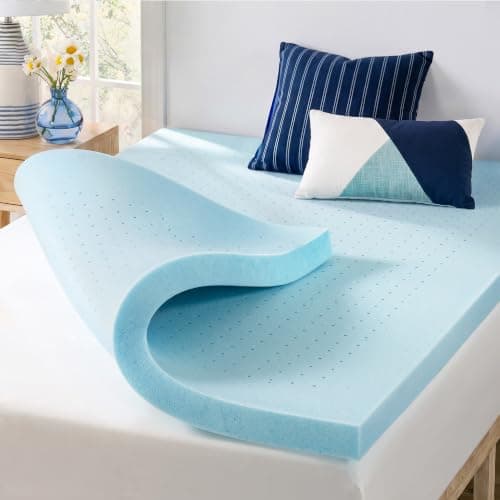
Our top pick — Best Price Mattress 3 Inch Ventilated Memory Foam Topper
Comparison
Washable Bed Pads
Three of these four publish how many washes they survive. One publishes how much fluid it holds. One has wings that tuck under the mattress — and it is the only one that does.
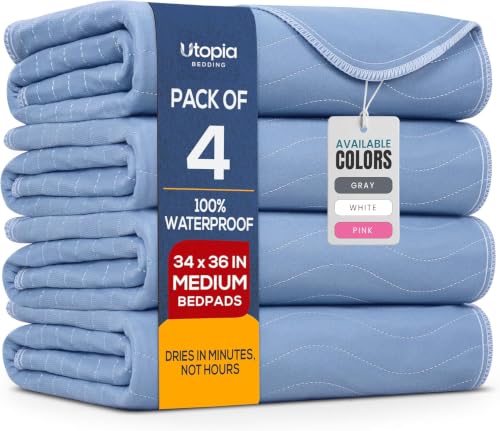
Our top pick — Utopia Bedding UB1187 Washable Underpads, 34 x 36 in, 4-pack
Guide
Mattress Thickness
Thickness quietly decides three things at once: whether the mattress bends on the base, how high the bed ends up, and how deep a sheet you need.
Comparison
Protectors for a Base
Not one protector listing we have read mentions an adjustable base in either direction. So we ranked them on the figure that actually decides it — the published depth window — and on what the skirt does when the deck bends.
Our top pick — BEDLORE UM002 Waterproof Mattress Protector, Queen
Comparison
Best Trapeze Bars
Two mounting kinds share one search term and only one works on a bed whose deck moves. Five compared on published capacity, height and footprint.
Our top pick — VEVOR Trapeze Bar with Floor Stand, 350 lb, 2 Casters

Nothing here is medical advice. Prices are pulled live and stamped with the date they were checked; scores are our published spec rubric, not a test result. How we pick · How we make money · Corrections